Which Window Frame Materials Hold Up Best in Salt Air

The thermal break inside an aluminum frame stops conductive heat from crossing straight through the sash, the same way a steel spacer bar at the edge of an insulated glass unit keeps a cold bridge off the interior glass. The figures kept at window replacement contractor carlsbad healthy home mkt show that coastal salt air changes the math on every window material in san diego county, especially the ones hauled in off the 101 near carlsbad state beach. A window here is either bleeding heat or bleeding steel, and the marine layer just makes the whole stack sweat before noon.
Salt Air Picks Metal Windows Apart
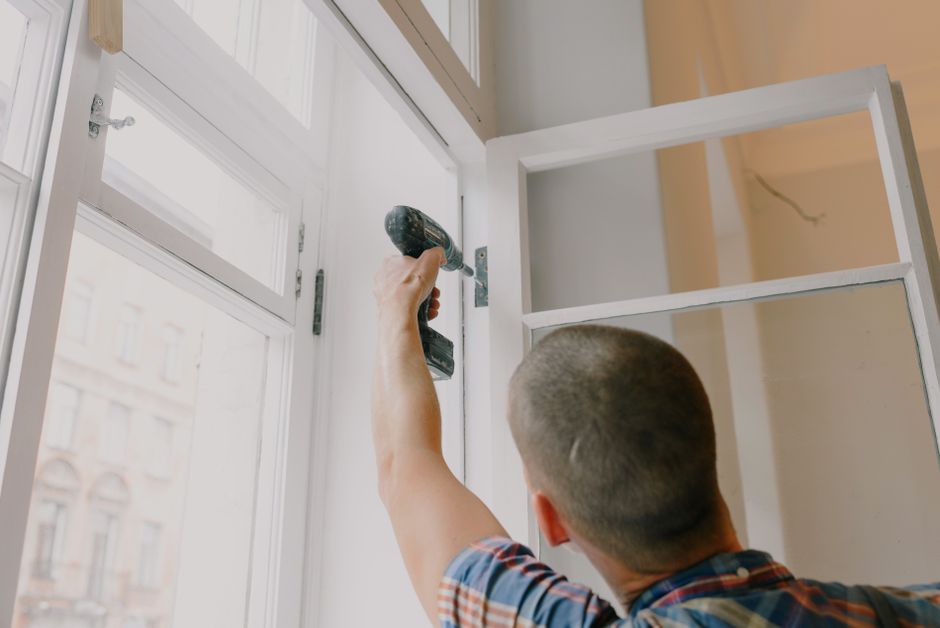
Plain steel and zinc plated hardware start flaking within two seasons along the coast. Salt spray carries inland from carlsbad state beach and parks in the tracks, where it holds moisture against the frame. Stainless steel fasteners and a rinse with fresh water after installation buy time, but the only real fix is a material that does not give the salt anything to eat. That is why an aluminum window with a proper thermal break beats a vinyl window on structural jobs even when the ca value looks softer on paper.
Vinyl Moves Too Much Near the Ocean
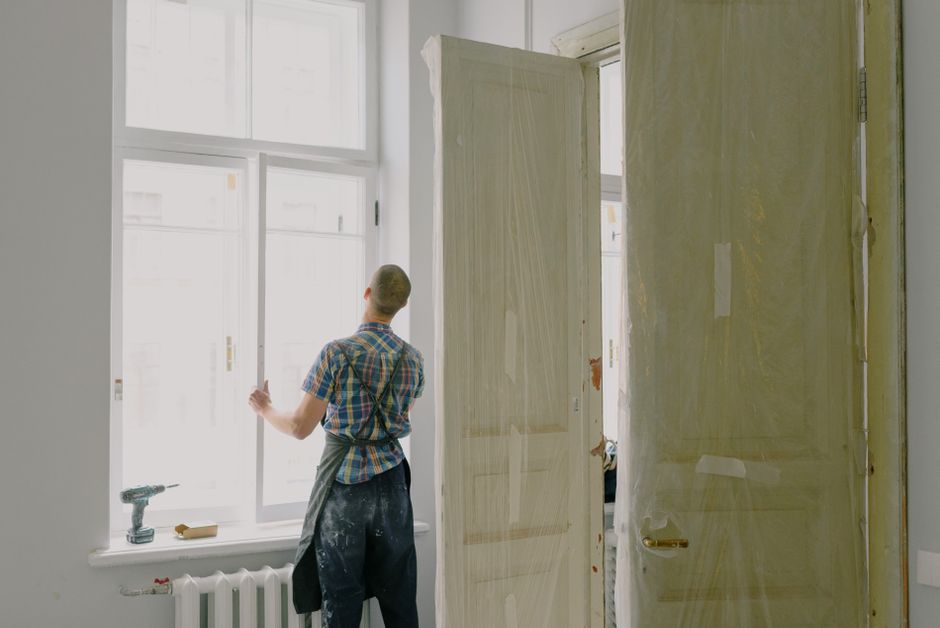
A vinyl window expands and contracts almost twice as much as a fiberglass window across the same temperature swing. In Carlsbad, CA the marine layer flips the glass from cool dawn to hot midday, and the frame bows enough to drag the sash on a double hung or crack the seal on a picture window. The tracks bind, the weatherstripping squeaks, and the paint on a nearby fence fades before the siding does. Light colors help, dark ones pull heat and widen the gap, so crews here bias toward white or tan profiles.
Fiberglass Stays True to the Glass
A fiberglass window expands at a rate close to that of glass, which keeps the insulated glass unit from seeing torque at the edge. Installers like that property when they shim a bay window into an oceanside remodel along interstate 5 near encinitas, because the sash does not walk itself loose by the second summer. Composite frame doors use the same logic, and the price premium pays off faster when the alternative is pulling casements off a cliff every five years.
Aluminum Needs the Thermal Break
Aluminum conducts heat much more readily than vinyl or fiberglass, which makes a standard aluminum window feel like a radiator in winter. Thermally broken aluminum adds an insulating barrier inside the frame near the glass face, dropping the edge temperature enough that condensation does not pool in a single hung track during the January marine layer. Crews specify it for balconies in Carlsbad, CA where the view faces agua hedionda lagoon, because the alternative sweats water onto the drywall.
Wood Rot and Clad Skins
A bare wood window needs regular paint or finish in damp coastal air to resist rot, and even then the siding peels before the glass fails. A clad window covers the exterior with aluminum or vinyl, which keeps the maintenance off the inside while the wood holds the thermal mass. Double pane glass behind either skin cuts the ocean-driven moisture drive, but installers keep the exterior grade flashings tight, because a single bad slope at the head detail over a batiquitos lagoon exposure turns a clad window into a sponge.