Window Replacement Contractor in Carlsbad, CA

Plain answers about replacing windows in Carlsbad homes, from salt air and the marine layer to retrofit versus full frame installs, so you can plan the work and ask a contractor better questions.
What We Cover
- Which Window Frame Materials Hold Up Best in Salt Air How vinyl, fiberglass, aluminum and wood frames behave near the ocean, and why hardware choice matters as much as the frame.
- How to Choose a Window Replacement Contractor Questions that reveal the real scope of a window job, from install method and sealing to hardware and warranty coverage.
- How to Prepare Your Home for Window Replacement What to move, remove, and plan for before installers arrive, so the work goes smoothly and your belongings stay protected.
- Why Windows Fog Up or Collect Condensation How to tell a failed glass seal from normal condensation in damp coastal air, plus other common window problems.
Window Replacement Contractor in Carlsbad, CA
A window replacement contractor measures existing openings, orders custom units, removes old windows, and sets and seals new ones, then finishes trim or stucco so the opening weathers tight. Along the coast, salt air from Carlsbad State Beach and the damp morning marine layer mean you want a contractor who starts with a tight seal and ends with clean stucco transitions, because coastal conditions test every joint twice.
Homes across San Diego County sit behind stucco, and that finish shapes the call between retrofit and full frame installs, since a retrofit saves the existing opening while a full frame reset handles rotted sills and tired flashing. Mornings fogged in by the marine layer give way to humid air near Agua Hedionda Lagoon and Batiquitos Lagoon, so a good install leans on proper drainage and vapor management rather than just caulk. Traffic noise from Interstate 5 pushes some owners toward laminated or dual pane glass upgrades, and a competent contractor will pull the old units without damaging the surrounding stucco so the new windows sit square and quiet.
Coastal Conditions and Material Choices
You will feel the trade off most on the frame, not the glass, because salt air eats softer metals and swells poorly sealed wood, while vinyl sweats in the humid pockets around the lagoons and aluminum can conduct that cold coastal chill into rooms. A contractor thinking in terms of the daily grind picks materials that survive repeated wet and dry cycles without warping the trim or pulling the seal, and ties the install to the home's existing stucco plane so each window reads as part of the wall instead of an afterthought.
Timing Your Project
You get the cleanest seal when the marine layer breaks and stays burned off, so late spring into early fall gives the crew dry hours to set windows and finish stucco without fighting morning damp that lingers near Batiquitos Lagoon and slows every cure. Scheduling after Oceanside and Encinitas see the same coastal pattern means you avoid the heaviest fog and let flashing breathe before the next wet run, and a window replacement contractor in Carlsbad times the job to the weather you actually get, not the calendar.
Common Failures and Fixes
Windows fog or collect condensation when the seal fails or the unit was installed into trapped moisture, and a tradesperson reading the job will check the spacer, the drainage at the sill, and whether stucco dams water against the frame before blaming the glass. Along this stretch of San Diego County, the marine layer and humid pockets around Agua Hedionda Lagoon repeat the same pattern, so the fix is usually better flashing plus a controlled drainage plane rather than swapping the unit a second time.
Guides
The guides walk through preparing your home for a window job, picking frame materials that survive salt air, choosing between retrofit and full frame installs, timing the work to coastal weather, diagnosing fogged or condensated units, and selecting a reliable window replacement contractor.
Latest Guides

When Is the Best Time to Replace Windows Near the Coast

Can New Windows Really Cut Noise From a Busy Freeway Near Carlsbad
Why Freeway Noise Hits Different Rooms Harder

You can run a finger along the glass and the frame edges of any window in your Carlsbad home and feel whether the noise is coming through the pane or leaking in around it. Homes near Interstate 5 deal with low frequency rumble from trucks and tire roar, and that kind of sound does not behave the same way as voices or birdsong. Low frequencies pass through standard glass fairly easily, so it is worth setting expectations around "noticeably quieter," not "silent." A new window can absolutely pull the volume down, but the real-world result depends on what is inside the frame, how tight it closes, and how it was installed into your wall.
The Ratings That Matter When Buying Windows

When a dealer talks about sound performance, ask for two numbers. The STC rating measures how well a window blocks speech frequencies, which is useful but incomplete. The OITC rating was developed specifically for outdoor noise like traffic, aircraft, and trains. For homes facing Interstate 5, the OITC rating is the better predictor of how a window will handle freeway rumble. A unit with a high STC but an average OITC will still leave the room feeling noisy at night, because it was not tested against the lower frequencies that dominate truck traffic. Always ask for both, and lean toward products that score well on OITC.
Why Laminated Glass Works Against Truck Rumbles
Laminated glass bonds two lites with a plastic interlayer, usually PVB or an acoustic grade layer. That interlayer damps vibration that would otherwise pass straight through the pane. It is the single most effective glass upgrade for traffic noise, and it matters more than simply adding a third pane. The interlayer also holds the glass together if it ever breaks, blocks most ultraviolet light, and adds a layer of security. Those are real secondary benefits, but they are not reasons to promise extra noise reduction. What matters is the way the laminate changes how sound energy travels through the window.
Getting the Panes to Stop Resonating
If you order a laminated dual pane unit, ask that the two lites use different thicknesses. A single laminated lite paired with a thicker or thinner monolithic lite stops both panes from resonating at the same frequency, which is exactly what happens when panes are equal in thickness. Equal thickness panes tend to vibrate together, and that lets certain sounds through more easily. The mismatch breaks that pattern and improves overall noise control. This is one of the details that separates a genuinely quieter window from one that just looks premium on paper.
Air Sealing Is as Important as the Glass
Sound travels wherever air travels, so a gap around the frame or worn weatherstripping lets in more noise than the glass itself. Before ordering replacements, check your current windows on a busy traffic hour. Close and latch them, then listen close to the sash edges, meeting rails, and frame corners. If noise is noticeably louder at the edges than at the center of the glass, leakage is a major part of the problem. A perfect acoustic glass package installed poorly will underperform a good laminated unit with tight seals.
Operating Style Changes How Tight the Seal Gets
Casement and awning windows close against compression seals and usually seal tighter than sliders or single and double hung windows. Sliders rely on sliding weatherstrip, which wears grooves over time and stops pulling tight. Fixed picture windows seal best of all where you do not need ventilation. If a freeway facing room already has sliders, upgrading just the glass while leaving the operating style the same will not deliver the full benefit.
Don't Forget the Door Next to the Windows
Sliding patio doors facing the freeway are often the weakest acoustic point in the room, even when the windows beside them are upgraded. A door with laminated glass and good compression seals, or a switch to a hinged door, can matter more than spending extra on premium window glass. The sound has one more path to get through, and that is usually the easiest one.
Frame Material Choices That Hold Up Over Time
Vinyl and fiberglass frames with multiple internal chambers damp sound reasonably well and do not conduct heat like bare aluminum. Older single pane aluminum sliders, common in many Carlsbad homes from the 1970s and 1980s, are typically poor for both noise and air sealing. Frame choice matters less than glass and sealing, but a rigid frame that holds its seal over time is what keeps the performance real for years instead of just on the showroom floor.
Retrofit Versus Full Frame Replacement
Many Carlsbad homes have stucco exteriors, and retrofit insert windows can be installed without cutting into that stucco. Full frame replacement removes the old frame down to the rough opening, which gives better access to seal the wall cavity. Ask your installer which method suits your walls and how they plan to seal the perimeter either way. The method itself does not determine the outcome, but the quality of the sealing around it does.
What to Watch During Retrofit Installation
On retrofit installs, the gap between the new frame and the old opening should be filled with low expansion foam or backer rod. It should then be finished with a quality sealant on both interior and exterior. Hollow, unsealed gaps behind trim are a common reason a new window underperforms acoustically. A careful installer will check this twice, once before trim goes on and again after.
Hardware Has to Match the Weight
Laminated units are heavier than standard glass. Confirm that hung windows use balances rated for the weight and that sliders use rollers suited to it. Undersized hardware leads to sashes that sag, bind, and stop sealing properly. The door or window that leaks sound is often the one whose frame shifted because the hardware was not built for the load.
Planning Ventilation Without Losing Quiet
In Carlsbad's mild climate, many people keep windows open much of the year. No window reduces noise while open, so ventilation has to be planned rather than improvised. Operable windows on the quieter side of the house, or a mechanical ventilation option, let the noisy side stay closed without trapping heat inside. That single habit often makes more difference to nighttime comfort than any upgrade to the windows themselves.
Walls, Attics, and Other Sound Paths
Windows are only part of the wall. If walls, attic vents, recessed lights, mail slots, or through wall air conditioners leak sound, new windows will help but cannot fix everything. Walk the freeway facing rooms to look for other openings before setting expectations with an installer. The most effective improvement comes from addressing the whole envelope, not just the glazing.
Start With the Most Exposed Rooms First
Prioritize bedrooms and living spaces with direct line of sight to the freeway. Rooms shielded by the house itself, a sound wall, or a slope may gain little from premium acoustic glass. Spending the most on a room that is already partially protected wastes money that could have gone toward a window that actually makes a difference where you hear the noise.
Rail Line Noise Needs a Slightly Different Approach
Homes in older parts of Carlsbad near the coast may also hear the rail line west of Interstate 5. Train horns and wheel noise contain more mid and high frequencies, which laminated glass handles well. Freeway rumble is harder to block, which is why laminated glass paired with good sealing makes more practical sense than chasing theoretical ratings.
Salt Air Means Hardware Maintenance
Homes closest to the ocean get salt air, which corrodes hardware and stops sashes from closing tight. Ask for corrosion resistant hardware such as stainless steel or coated locks, hinges, and operators. Rinse exterior frames and tracks periodically. A corroded mechanism fails the acoustic seal the moment it stops pulling the sash closed.
Annual Inspection Prevents Small Problems
Inspect weatherstripping and exterior perimeter sealant about once a year. Look for flattened, cracked, or missing weatherstrip and for sealant that has pulled away from stucco or trim. Replace these before they become gaps. The difference between a window that stays quiet and one that does not is often a two dollar piece of foam that got overlooked.
Track Maintenance Keeps Things Tight
Keep slider tracks and weep holes clean. Debris in tracks keeps sashes from closing fully. Never seal weep holes shut, because they drain water. Water damage from blocked weeps is a far bigger problem than the small amount of noise they pass. A quick vacuum of the track once a month keeps the seal where it belongs.
What New Windows Will Not Do
New windows will not make a home near Interstate 5 silent. Triple pane is not always quieter than a well designed laminated dual pane unit. Argon or krypton gas fill does not meaningfully reduce traffic noise. A dual pane window does not count as soundproof on its own. Spray foam or extra caulk by itself does not soundproof an opening. And vinyl frames are not always the quietest choice regardless of glass and installation. The honest improvement comes from matching the right glass, the right seal, the right hardware, and the right installation to the rooms that need it most.

New Windows in Carlsbad Ocean Air: Coastal Care Checklist
Salt Air Damages New Windows Differently in Carlsbad

New windows in Carlsbad face a threat most homeowners do not see coming. It is not the wind or the sun that cause the most harm. It is salt. When ocean air meets fresh paint or new framing material, salt residue sits on surfaces long after the marine layer burns off. That residue holds moisture against metal, rubber and glass. Left alone, it speeds up corrosion on locks, hinges, tracks and frames. A home in Carlsbad Village feels that pressure faster than a house tucked behind La Costa Ridge, but every neighborhood gets some salt.
Rinse Exterior Frames With Fresh Water Monthly
Salt has no smell and no color until it builds up enough to show as a white film. By then it has been working for weeks. The best defense is regular rinsing with plain fresh water from a garden hose on a gentle setting. Homes on the bluffs or facing west in Terramar need attention every two to three weeks. Inland sections like Calavera Hills or Aviara can stretch to once every two months. If fingers still feel gritty or glass still looks hazy between scheduled rinses, move the next wash forward. This is not optional maintenance. It is how new windows survive their first decade near the coast.
Avoid pressure washers entirely. High pressure can push water past weatherstripping, tear screen mesh and break the seal between frame and stucco. Let gravity and a soft spray do the work instead.
Flood Glass Before Wiping Away Sand and Salt
Wiping dry salt crystals across glass acts like sandpaper. Tiny quartz particles from beach sand and salt crystals leave behind fine scratches that dull the view for years. Always flood the surface with water first, letting it flow over the glass and down the frame. Follow with a mild dish soap solution applied with a soft cloth or squeegee. Never use abrasive pads, scouring powders or razor blades. Tempered glass scratches easily when handled carelessly, especially after a salt buildup makes the surface rough.
Stick to manufacturer approved cleaners. Some chemical treatments strip coatings or fade finishes faster than salt ever could.
Clean Sliding Tracks and Patio Door Channels Often
Sand follows people indoors and settles heavily in window channels and sliding door tracks. Vacuuming with a crevice tool removes most of it before it grinds into rollers and wear points. After vacuuming, wipe tracks with a damp cloth and mild soap. Pay attention to corners where debris collects near the wheels.
Never spray oil, WD-40 or general purpose lubricants into tracks. These trap sand and turn into grinding paste that ruins smooth operation. Many vinyl sliders are designed to run on clean, dry tracks with no lubrication at all. If the manufacturer specifies a lubricant, apply only a small amount of dry silicone to exact points listed in writing.
Clear Weep Holes So Water Does Not Pool Inside
Weep holes are small slots at the bottom outside edge of most window frames. Some have flap covers. They let rainwater or rinse water drain outside instead of collecting inside the sill track. Blocked weep holes cause standing water that rots sills, stains interior walls and invites mold growth.
Clear them gently. Push a pipe cleaner or a soft plastic tool through the slot. Do not force metal wire or sharp objects that could crack frames or tear protective flaps. After clearing, pour a cup of water into the sill track and watch it drain outside. If water pools instead of exiting quickly, the blockage remains. Repeat until drainage returns.
Fall Santa Ana Wind events dump dust, leaves and sometimes ash into lower tracks. After any major wind, inspect and refill weep paths again.
Dry Hardware Thoroughly After Each Wash
Locks, latches, hinges and handles sit directly in the path of salt spray. Even stainless steel hardware develops surface staining from prolonged salt exposure. Coastal grade options perform better than standard hardware, but none are immune. During each rinse cycle, flood these parts with fresh water, then work each piece through its full range of motion while wiping dry.
A latch that feels gritty or stiff is sending an early warning. Catch it now while movement is still possible. Forcing stiff operation usually strips internal gears or breaks pivot points. Inspect casement operators and hinge arms annually. Clean salt buildup away from moving parts and lubricate only per written manufacturer instructions.
Keep warranty documents and maintenance logs. Some window brands tie warranty coverage to documented coastal care practices. Having records of regular rinsing, track cleaning and hardware inspection supports claims if fogging, seal failure or corrosion occurs.
Maintain Screens to Prevent Frame Contamination
Screens collect salt just like frames but often get ignored because they look fine from inside. Remove screens seasonally, lay them flat, rinse both sides, then scrub gently with a soft brush and mild soap. Rinse again and let them dry completely before reinstalling. Putting screens back wet traps moisture against frames and accelerates finish degradation.
Replace or rescreen units showing sagging mesh, tears, powdery coatings or loose spline at corners. Fiberglass mesh resists corrosion better than aluminum near salt air. Coated or stainless steel mesh offers longer life but costs more upfront. Match replacement mesh to original quality levels to avoid gaps in protection.
Inspect Sealant Lines Annually Around Every Window
Check the exterior sealant joint between frames and stucco at least once per year. Look for cracks, gaps, separation or sealant pulling away from surfaces. Caulk cracks promptly with compatible sealant material. Never seal over weep holes or block drainage paths at the bottom of frames. Doing so traps water inside walls where damage goes unnoticed for months.
Interior signs like streaks on stucco below windows or persistent moisture on sills often point back to failed exterior seals. Early detection prevents rot, pest intrusion and energy loss.
Address Fogging Between Panes Immediately
Fogged or hazy dual pane glass means the insulated glass seal failed. No amount of cleaning clears condensation sealed between panes permanently. While exterior salt care prevents seal failure from progressing, replacement becomes necessary once internal fogging begins. Contact the manufacturer or installer promptly. Many warranties cover insulated glass units for a limited time, especially when maintenance logs show proper coastal care was followed.
New windows represent a major investment in any Carlsbad home. Protecting that investment from salt air starts with consistent, gentle action. Monthly rinsing keeps salt from bonding to surfaces. Regular track and weep hole attention stops water damage early. Dry hardware after exposure prevents seizing mechanisms. These habits preserve appearance, function and value longer than any single deep cleaning ever could. Start next month with a full exterior rinse and work forward from there.
Retrofit or Full Frame Window Replacement
Retrofit Versus Full Frame

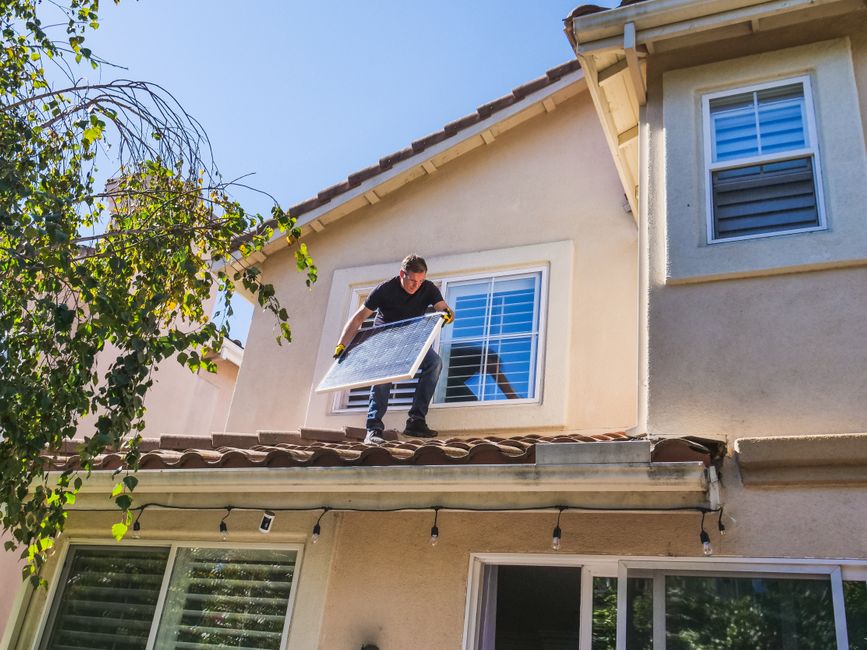
A retrofit or insert install sets the new window inside the existing frame, leaving most exterior stucco and interior drywall undisturbed. Because the new frame sits inside the old one, a retrofit window slightly reduces the visible glass area. Retrofit windows made for stacc homes often use a flush fin or Z bar style flange that covers the old frame from the outside. A full frame install removes the old window down to the rough opening, which exposes framing, sill and flashing for inspection. Full frame work lets the installer replace water damaged framing and install new flashing, but on stucco it requires cutting back and patching the stacc. The notes at window replacement contractor carlsbad healthy home mkt start with the spring line on the sill, and that detail drives how much demo is justified.
Shimming and Leveling

New vinyl window units must be shimmed plumb, level and square so sashes slide, seal and lock correctly. Work booked through window replacement contractor carlsbad healthy home mkt is measured that way, starting from the high point of the sill. Shims go at the jamb anchors and behind the header, not loose in the middle. A small sample overstates the edge if you let the foam push the frame out of plane, so check diagonals with a tape before any sealant sets. Fiberglass and aluminum window frames need the same tolerance, though composite frame corners resist twist better than clad window assemblies when the shims are uneven. On a double hung or casement unit, half a degree of racking shows up as a bind on the hardware, so the plumb stick stays on the jamb until the fasteners are snug.
Seal, Foam and Drainage
Gaps around the frame are filled with low expansion foam or backer rod and sealant, since high expansion foam can bow the frame. Weep holes at the bottom of slider frames must stay open so water in the track can drain out. In Carlsbad, CA, the marine layer rolls in after sunset, so a picture window on a west wall sees more condensation than a bay window on the protected side of the house. Caulk alone does not keep water out of the wall, and the installer packs the sill pan with a closed cell strip before the foam goes in. A slider or single hung needs the sill track pitched slightly toward the weep, otherwise the insulated glass unit holds water and the seal fails.
Material Notes from the Field
A clad window on a stacc home near Agua Hedionda Lagoon handles salt better than a wood window, but the vinyl window still beats both on thermal swing. Double pane IGUs fog when the spacer breaks, and that failure mode is almost always a shim left loose behind the jamb. When the old work came out on an Encinitas job last month, the previous installer had packed the cavity with high expansion foam, and the aluminum window frame was bowed enough to bind the casement operator. Cutting that back to the rough opening along Interstate 5 saved a callback, even though it meant repatching more stucco than the owner wanted.
Wrapping Up
The difference between a retrofit and a full frame install is not a quality call, it is a geometry call. If the old frame is sound and the sill pan drains, an insert keeps the stucco and drywall intact. If the sill is rotted or the header sags, the rough opening needs to be rehandled, and the marine layer in Oceanside waits for no one. The order of operations set by window replacement contractor carlsbad healthy home mkt sets the order deliberately, and the last step is always a bead test with the hose before the caulk is tooled.
Nearby Service Areas
We also cover window installers pros in Austin.